Featured
Table of Contents
It prevails, however can be extremely severe, affecting just how you really feel, think, and act. Having clinical depression is different than just feeling depressing. It is a persistent feeling of despair, sadness, and loss of rate of interest. To be detected with clinical depression, signs should be existing for 2 weeks or more.
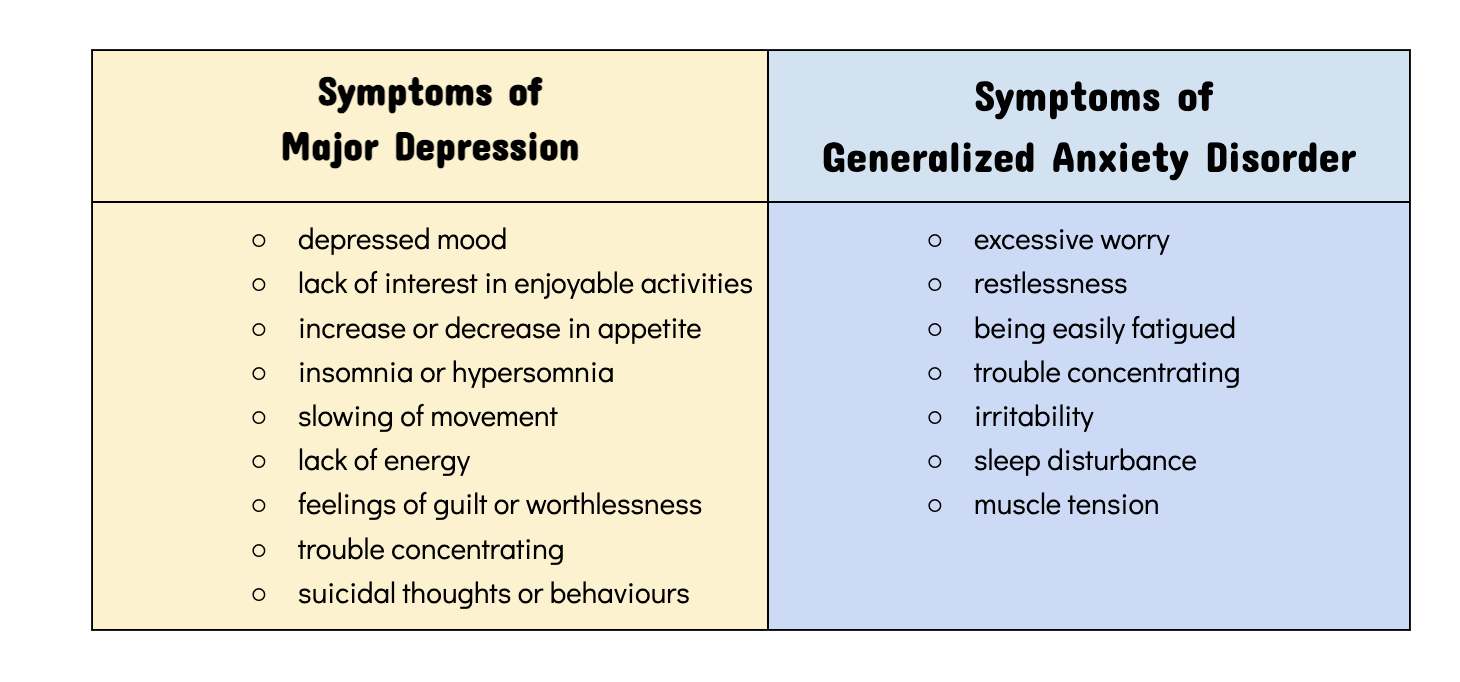
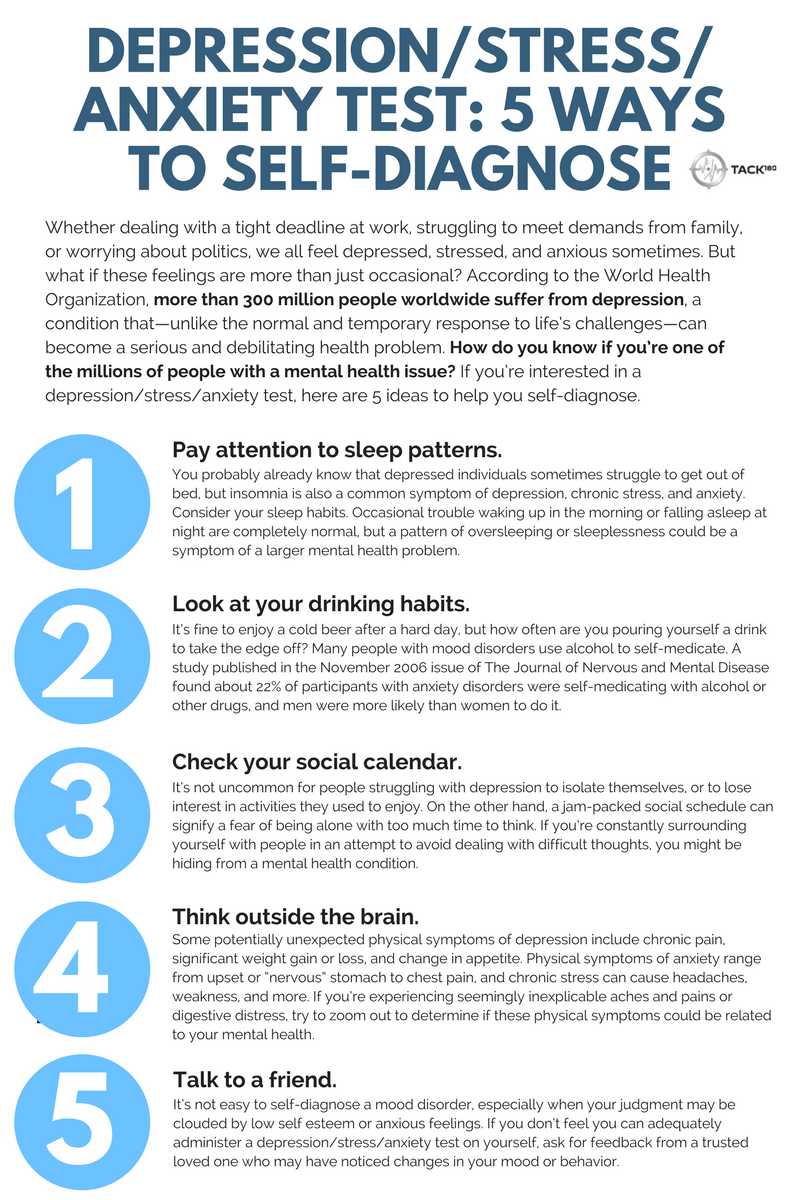
From one person to another the severity and regularity of signs and symptoms will differ, and while some people only experience a couple of signs and symptoms, others experience lots of. Consistent sad, nervous, or "vacant" state of mind Feeling hopeless Really feeling pointless Angry outbursts, irritation, or disappointment Loss of interest or enjoyment in pastimes and activities Thinking absolutely nothing is worth attempting Thinking of fatality, or that life is unworthy living Absence of energy Relocating or talking slower than common Problem with focus, emphasis, memory, and decision making Really feeling uneasy or having problem sitting still Appetite or weight modifications Problem resting, early-morning awakening, or sleeping a lot a lot more or much less than regular Pains or discomforts, migraines, cramps, or digestive system issues without a clear physical reason Although clinical depression is just one of one of the most usual mental illness in the US, there is no precise recognized reason of depression.
Virtual Counseling Benefits for Grief and Sadness
Danger variables for clinical depression consist of: Inherited traits, personal or family background of anxiety Ecological elements, like major life modifications, injury, or stress and anxiety Mental factors Certain physical illnesses and drugs Organic distinctions, mind chemistry, or hormones The most reliable treatment for anxiety is medication and psychotherapy. The earlier that anxiety is treated, the less complicated it is to deal with.
Speaking to a psychiatrist, psychologist or other psychological wellness specialist, can be extremely advantageous for individuals with anxiety. Drugs to treat clinical depression are called antidepressants. There are many sort of antidepressants that do various things in the mind, like enhance how the mind uses particular chemicals, or stabilize your mood.
Restoring Resilience in the Process of Counseling in Singapore
Some instances of antidepressants are: Selective serotonin reuptake preventions (SSRIs) Serotonin-norepinephrine reuptake preventions (SNRIs) Irregular antidepressants Tricyclic antidepressants Monoamine oxidase inhibitors (MAOIs) Yes, you can have anxiety and depression at the exact same time. Although they are 2 separate and distinctive mental health and wellness problems, they typically take place simultaneously. Sometimes, someone can have both an anxiousness condition and a major depressive disorder.
In other situations, depression may trigger stress and anxiety. Yes, there is a distinction between stress and anxiety and depression drug.
Protective Parts Work as an Approach to Regulation Difficulties
Therapy can be a practical device for people with stress and anxiety and depression. For both anxiety and anxiety, CBT includes chatting with habits patterns, and assists to show individuals with these mental diseases how to deal with signs.
For depression, it can assist you experience favorable emotions. The bulk of treating anxiety and anxiety with treatment is overlapping. Making use of evidence-based approaches certain to the therapy of state of mind conditions, like CBT, and consistently talking with a specialist will assist those with anxiousness, depression, or both, make visible enhancements. Yes, you can obtain treatment for stress and anxiety and clinical depression online.
Exploring the Link Between Trauma Manifests in Your Mental Wellness
Mental health is complicated. While professionals have developed particular medical diagnoses for various kinds of problems, the fact is that lots of problems have a large amount of overlap, which can make it fairly hard to differentiate between 2 different problems. Among one of the most common issues that individuals have is trying to tell the difference between anxiousness and clinical depression.
While it would be excellent if there were a fool-proof way of telling you whether you have anxiousness or depression, it's not rather that straightforward. One person can conveniently have both stress and anxiety and clinical depression, and some individuals might have developed depression symptoms as a result of their stress and anxiety problem. It's a bit a lot more tough than saying "you have stress and anxiety" or "you have depression" due to the fact that it's feasible to have combinations of both.
Signs and symptoms of one or the various other might bleed right into whichever condition you have, since both share similar reasons, problems, and so on. The most effective way to recognize the difference between both conditions is with the primary signs and symptoms, starting with the mental symptoms. Anxiousness: Apprehension over what will take place and what could happen in the future.
The Transformative Nature of Emotionally-Focused Couples Therapy Resolves Physical Intimacy Challenges Through Singapore Specialists
Feeling like you require to run away or avoid points that might trigger further anxiety. Clinical depression: Feeling of despair regarding the future, as though it's hopeless.
Those with anxiety commonly assume a poor future and don't anticipate anything else or assume there's anything worth avoiding. Clinical depression can take place after someone experiences stress and anxiety, due to the fact that someone that manages severe anxiousness might end up really feeling drained and hopeless once their anxiety or anxiousness assault mores than. That's why both problems can be tough to differentiate.
Physical symptoms can be really various as well. Once more, there are similarities. Both anxiousness and depression can leave you feeling drained and tired out. But in the case of anxiety, it often tends to take place after intense stress and anxiety, while with anxiety it has a tendency to be extra consistent, without always any type of triggers.
Physical symptoms that appear like health disorders, particularly if accompanied with health and wellness concerns. Fast heart price, bowel problems, hyperventilation, and other "energy" triggering signs. Clinical depression: Severe absence of power or drive. Level affect (complete absence of emotion) in addition to slowed down thinking and behaviors. Severe hunger changes, headaches, and rest issues. Anxiety in fact has a tendency to have less physical symptoms, however the mental signs can be so hazardous (especially the possibility for suicidal thoughts) and the lack of power so articulated that many individuals with anxiety handle extreme battles daily that certainly rival the signs of stress and anxiety.

Latest Posts
Managing Attachment Wounds Via Psychodynamic Therapy in Chicago
Exercise Addiction Link to Control Issues
How Cross-Cultural Therapy Supports Personal Heritage