Featured
Table of Contents
F. is well-known for his exploration of operant conditioning the idea that our behavior can be formed by backups (what comes before and after). A crucial component of these psycho therapists' research explored exactly how worries are learned. These ideas were used medically as 'behavior modification' by stars including Joseph Wolpe and came to be the structure of worry reduction strategies that are still in operation today.
Aaron T. Beck is accountable for the advancement of the type of CBT that is most typically exercised today. No history of CBT is total without reference of Albert Ellis that was also creating a form of cognitive therapy at the very same time as Beck. Ellis' job came to be Logical Stirring Behavior Modification (REBT) and shares lots of similarities with CBT.
Beck established cognitive therapy. Functioning with clinically depressed customers he located that they experienced streams of negative ideas which he called 'automatic thoughts'.
Why Accurate Diagnosis Makes a Difference
There is substantial overlap between both strategies but it is perhaps Beckian cognitive therapy that has been more influential. CBT has an empirical position which indicates that it has changed and developed with the introduction of new clinical explorations and academic breakthroughs. Numerous medical professionals and scientists trained with Beck and Ellis and have given that taken place to educate subsequent generations of specialists, scientists, and scientist-practitioners.

DBT was developed by Marsha Linehan for the treatment of individuals with borderline individuality problem or persistent suicidal behavior. DBT incorporates cognitive behavior strategies with conscious recognition and distress resistance practices. ACT was established by Steven Hayes in the 1980's, building on concepts from extreme . Contrasted to traditional CBT, ACT positions much less focus on altering (managing) the material of one's thoughts, and more focus on the connection that we have with our thoughts.
Metacognitive therapy was developed by Adrian Wells. MCT focuses on the beliefs that individuals have about their very own ideas, and regarding exactly how their very own mind works their metacognitive ideas.
A timeline of what came in the past and after Beck and Ellis' cognitive behavioral treatment. Specialists that practise emotional therapies are educated to focus on specific facets of an individual's experience and to respond in specific ways.
Accessing Mental Health Plans in Ashburn, VA
Psychodynamic specialists are educated to observe exactly how patterns from very early (add-on) connections are played out in an individual's later partnerships. Some crucial residential properties of CBT's stance are that: CBT concept says that the here-and-now is where our discomfort and experiencing lies: if we are anxious we feel the anxiety now, and if we are depressed our sensations of unhappiness or loss are occurring currently.
CBT does pay close attention to our individual histories given that understanding the origin of problems, beliefs, and analyses is often essential to making sense of them. That said, the problems are triggering discomfort and suffering in the existing and this is where we have the power to make adjustments and so the emphasis of CBT will regularly return to the present minute.
Your Approach to Emotional Wellness Through Somatic Therapy
When they work with each other a customer and CBT therapist will attempt to come to a common understanding of an issue and, building on that understanding, believe of methods to resolve the problem (a procedure called situation solution). CBT also promotes a logical technique to thinking: the goal is not to 'think satisfied thoughts' however for our assuming to be balanced and exact.
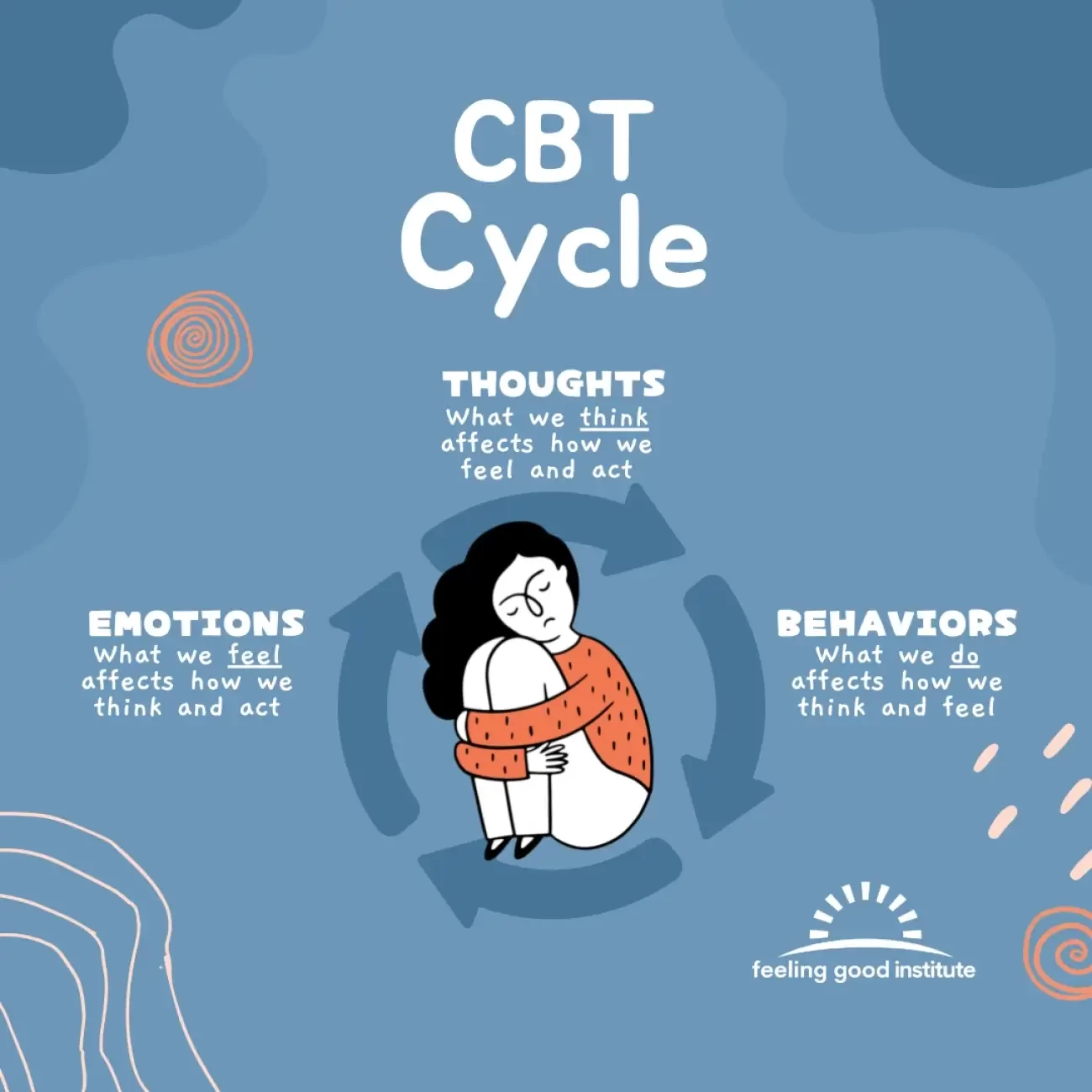
One feeling in which CBT's approach is empirical is that therapies are based in proof about what jobs. Many CBT treatments have been compared to various other treatments in large randomized controlled trials (RCTs).
CBT is also empirical in the feeling that progress within treatment is monitored, with the specialist and client very closely observing what is functioning and what isn't. On a wide degree they may monitor symptoms session-by-session and anticipate to see enhancement with time. On a finer level they will certainly measure things like: How a lot a client counts on a particular thought.
Depression and How It Affects Daily Life Through Therapy for Grief and Loss Care
How anxious a customer really feels prior to and after an experiment. CBT therapists make a factor of carrying out treatment that is joint. They will certainly go for therapy to seem like a journey of exploration where the specialist is 'next to' the client instead of one where the specialist is placed as a professional.

Latest Posts
Overcoming Career Success and Depression
Transforming Perfectionist Parts in Healthcare Workers
Why Eye Movement Desensitization and Reprocessing Works for Trauma through Anxiety therapy